
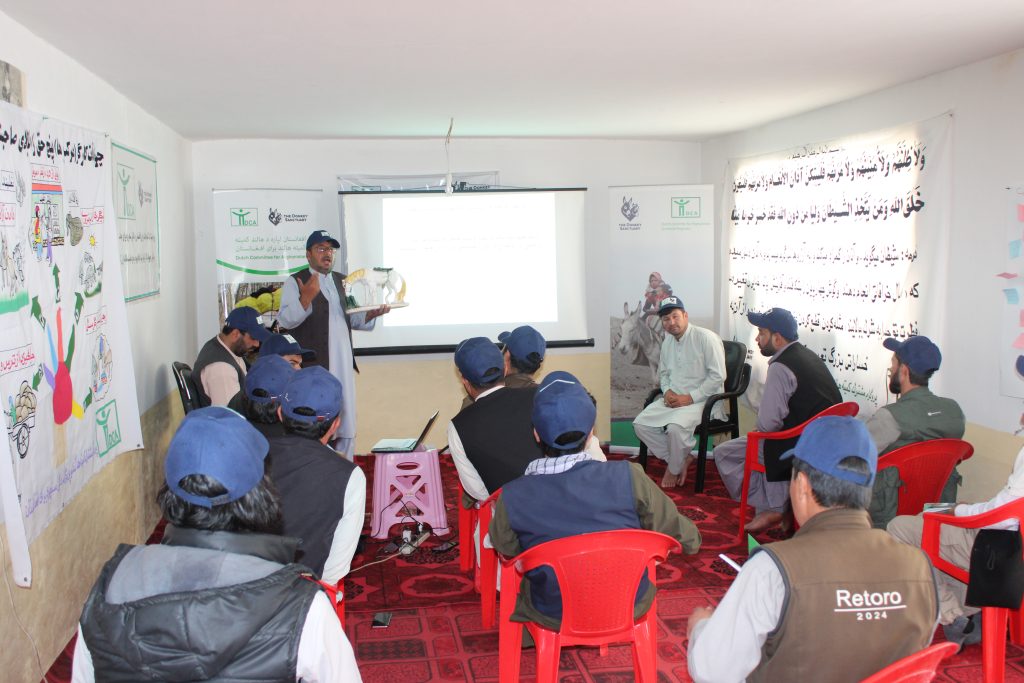
A Holistic Model for Sustainable Donkey Care
OngoingThe Dutch Committee for Afghanistan is delighted to announce signing of three partnership grants with The Donkey Sanctuary (TDS) over the last 5 years with a focus on equine welfare and care. This third project known as "A Holistic Model for Sustainable Donkey Care" commenced on May 5, 2026, and will continue until May 4, 2030, for four years. The Donkey Sanctuary is a UK-registered international charity, established in 1964, with a core mandate focused on the welfare and protection of working donkeys and mules worldwide.
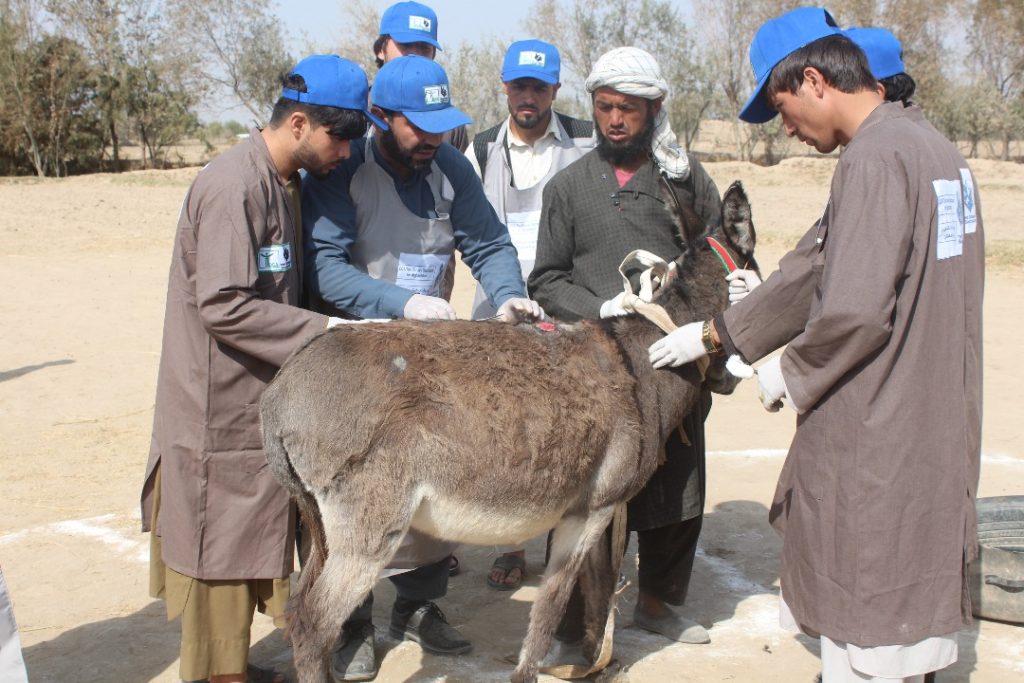
Through this partnership, both organizations will continue their shared commitment to improving the well-being of working equines and supporting 6,250 beneficiaries in Bamyan, Takhar, and Badakhshan provinces of Afghanistan. The project aims to strengthen equine welfare systems through a comprehensive and community-based approach. This includes promoting improved knowledge, responsible husbandry practices, and enhanced community awareness around humane treatment and care of working animals.
The initiative places strong emphasis on strengthening animal health and welfare services through collaboration with Private Local Service Providers and community-based structures. It also supports capacity development within higher education, equipping students with practical skills in equine handling, basic welfare assessment, and humane management practices. In addition, the project fosters community engagement by encouraging local influencers, volunteers, and stakeholders to promote compassion, reduce animal suffering, and support a more balanced relationship between people, animals, and the environment.
This integrated “one-welfare” approach reflects a long-term commitment to improving the livelihoods of equine-dependent communities while advancing sustainable and humane handling of animals to advance animal welfare practices across the target provinces and beyond.
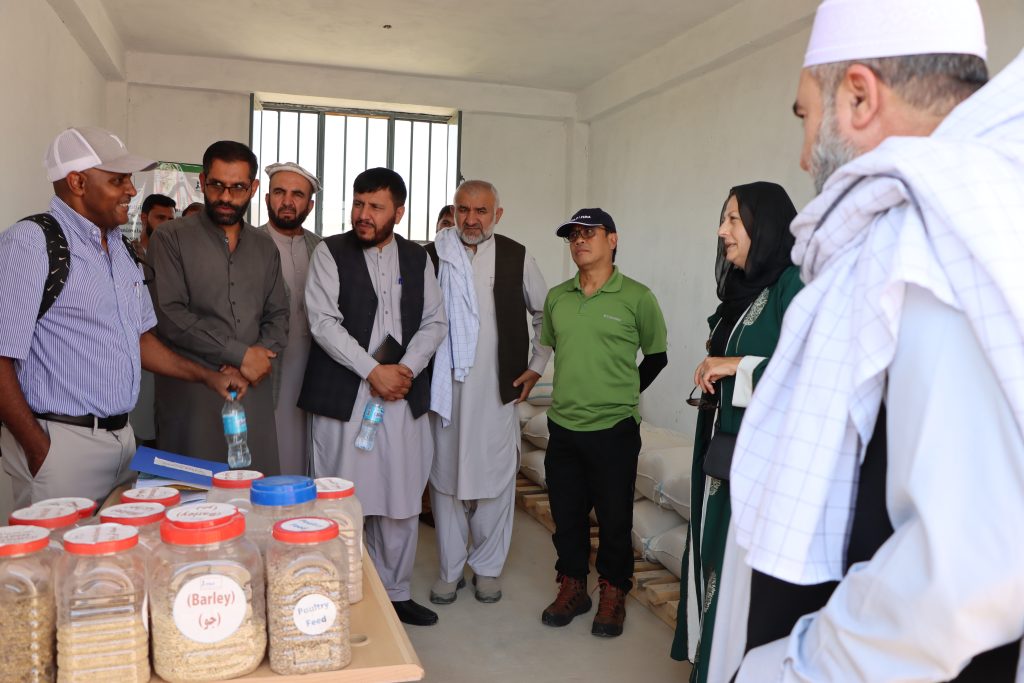
Crisis Response Initiative Supplementary Financing
OngoingThe Dutch Committee for Afghanistan (DCA) is pleased to implement the Crisis Response Initiative Supplementary Financing (CRISF) project with the support of the International Fund for Agricultural Development (IFAD). The project builds upon previous initiatives that have supported rural communities across Afghanistan and seeks to further strengthen adaptation to climate change and financial inclusion in areas where livestock plays a vital role in household income and food security.
The project will be implemented across 13 provinces and is expected to benefit 50,000 households. Through a phased approach, CRISF will expand support to new districts while continuing engagement in previously assisted areas where communities remain vulnerable to economic challenges, climate-related pressures, and limited access to essential services and opportunities.
Recognizing the importance of livestock to rural livelihoods, the project will work closely with communities, local stakeholders, and service providers to promote sustainable development and strengthen resilience among rural households. Particular attention will be given to supporting women and youth and encouraging inclusive participation in activities that contribute to improved well-being and livelihood opportunities.
By building existing achievements and fostering continued community engagement, CRISF will contribute to stronger, more resilient rural communities and support long-term improvements in livelihoods across the target provinces. Through this initiative, DCA and IFAD reaffirm their commitment to helping rural families create more sustainable and prosperous futures.
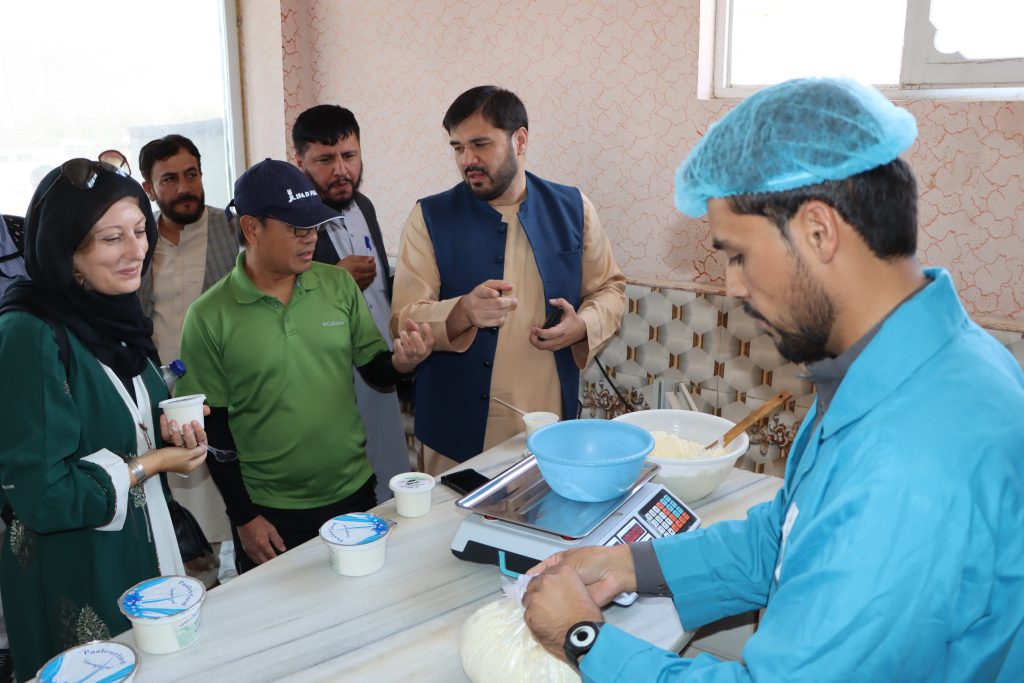
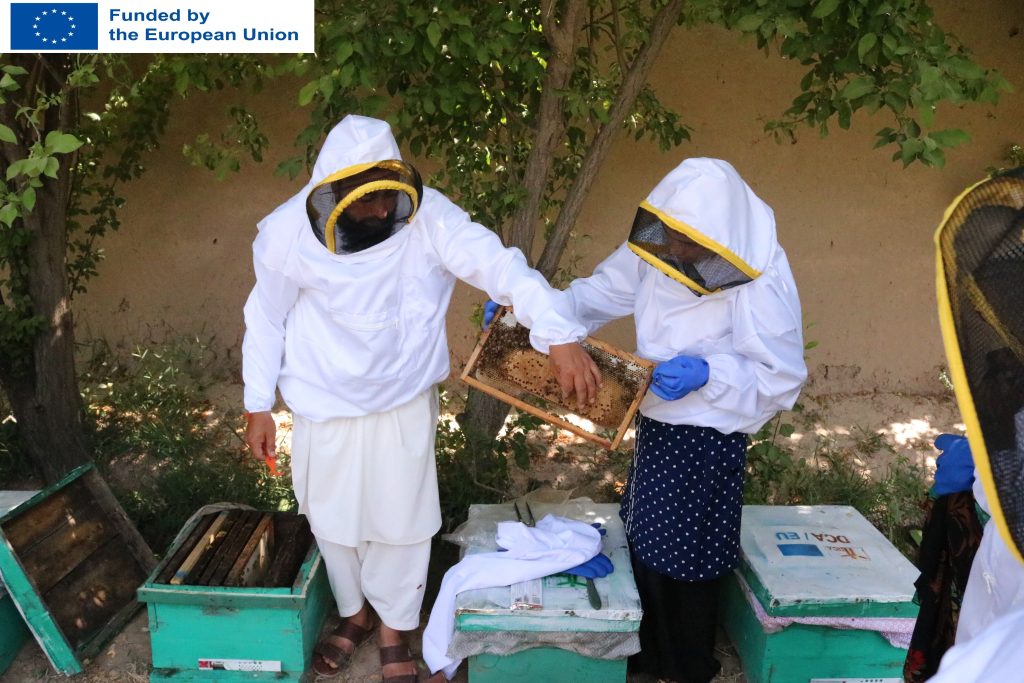
Enhancing Sustainable Livelihoods and Climate Resilient Value Chains in Afghanistan (SLVC-A)
OngoingThe Enhancing Sustainable Livelihoods and Climate Resilient Value Chains in Afghanistan (SLVC-A) project is funded by the European Union and implemented through Dutch Committee for Afghanistan for the period 2026–2029. It targets rural communities across 5 Regional Hubs and 12 satellite provinces - Kabul (Maidan Wardak, Ghazni, Bamyan, Khost, Paktika), Herat (Farah, Badghis), Kandahar (Urozgan), Nangarhar (Laghman, Kunar), Balkh (Faryab, Badakhshan)., reaching 300,000 households.
The project addresses ongoing challenges affecting rural livelihoods, including climate shocks, limited access to services, and weak market systems that constrain productivity and income generation in livestock and agriculture-dependent communities.
To address these challenges, the project focuses on strengthening climate-resilient, market-oriented livestock value chains and supporting the growth of micro, small, and medium enterprises (MSMEs) to enhance employment opportunities and improve access to services. It promotes inclusive participation of vulnerable groups, including women, youth, returnees, internally displaced persons, pastoralists, and persons with disabilities, by improving their access to production inputs, services, and markets, and supporting their engagement in livestock-based livelihoods and income-generating activities.
The project also promotes climate-smart agriculture, sustainable resource management, and local capacity development to strengthen household resilience and social inclusion. In addition, it supports Afghan cashmere and wool certification under international standards to improve product quality, competitiveness, and market access.
Through these integrated interventions, the project contributes to increased income generation, improved service delivery, and more resilient and sustainable rural livelihoods across the target areas.
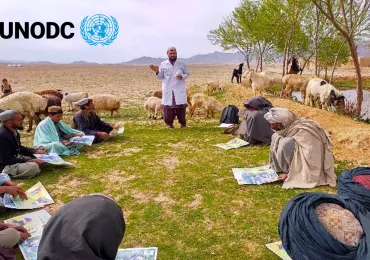
UNODC SCC: The Project for Strengthening Counternarcotics Capacities
OngoingAfghanistan used to meet 80% of global opiate demand, with Helmand and Kandahar producing 65% of the crop. The 2021 UNODC report revealed that poppy cultivation generated $2.8 billion, primarily from southern Afghanistan. However, the April 2022 opium ban led to higher prices, worsening food insecurity and debt for farmers. This situation mirrors the challenges after the 2001 ban, which displaced many families and disrupted the opium-based credit system. The situation is even more difficult for marginalized groups such as women, children, the elderly, and internally displaced persons (IDPs), who face deepening poverty and limited access to essential services. Political instability, a harsh winter, and the aftermath of the COVID-19 pandemic have made things worse. Women's livelihoods have been hit hard, with a 63% reduction in employment, and over one million widowed women face discrimination and increased hardship. Dutch Committee for Afghanistan (DCA) under the United Nations Office on Drugs and Crime (UNODC)-funded project, aims to improve livelihoods in poppy-growing regions like Kandahar. The project offers sustainable alternatives to poppy farming, including water harvesting, wheat production, and cultivating high-value crops like saffron, vegetables, and cotton. It also focuses on empowering women through animal husbandry and improving animal health services. Local communities will benefit from the establishment of milk collection centers, feed and seed banks, and training in modern farming techniques, which will help boost productivity and resilience. This initiative seeks to reduce dependency on poppy cultivation and promote long-term economic stability for Afghanistan's vulnerable populations.