
Funded by the EU and implemented by DCA, the Afghanistan Essential Services and Livelihoods Stabilization Programme (EU-AESLSP) was designed to strengthen employment and income opportunities while improving food security and resilience. From 2022 to 2025, the programme benefitted 350,000 households across 16 provinces and 136 districts. It was implemented in a rapidly changing environment marked by economic pressures, drought and climate shocks, market disruptions, restrictions and declining public veterinary services.
The programme was assessed at three points: baseline, mid-term and final evaluation. A mixed-method approach combined household surveys with key-informant interviews, focus-group discussions, field observation and desk review. Consistent indicators, aligned with the programme logframe, evaluation questions, Theory of Change and key livelihood outcomes, enabled changes to be tracked over time. Enumerator training, piloting, digital data collection and daily supervision and validation strengthened the quality of the evidence. The comparison shows substantial improvements across several key indicators.
| Indicator | Baseline | Mid-term | Endline |
| Food insecurity | 52% | 35% | 8% |
| Average monthly household income | AFN 7,112 | AFN 10,479 | AFN 12,754 (increase by 79%) |
| Market access | 10% | 34% | 67% |
| Access to veterinary services | 70% | 83% | 97% |
| Livestock mortality | 11% | 7% | 3.9% |
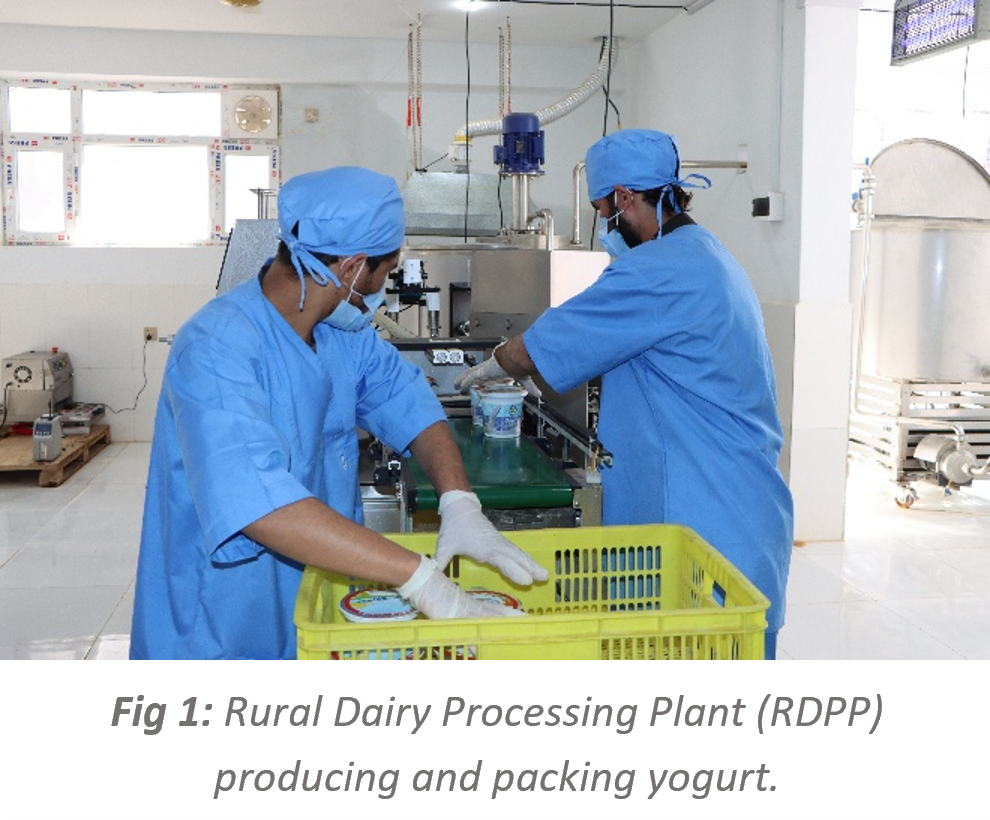
Together, these trends show progress in household income and food security, alongside expanded access to markets and essential livestock services. The programme’s results were achieved in a context that required continuous adaptation. Community-based Veterinary Field Units (VFUs), One-Stop Shops, Milk Collection Centres (MCCs) and Self-Help Groups (SHGs) helped maintain access to essential services, markets and livelihood opportunities. Adaptive extension and remote-learning approaches helped sustain engagement with women under changing conditions. The approach was not simply about delivering activities; it was about finding workable ways to maintain services and economic opportunities as the operating environment changed. Improved market access was accompanied by greater livelihood diversification. By the final evaluation, households had expanded their participation in dairy, wool and cashmere, poultry, lamb fattening and apiculture, creating multiple pathways to income generation. Theprogramme also created 2,874 rural employment opportunities, including through VFUs, One-Stop Shops, dairy enterprises, poultry, apiculture, internships and Self-Help Groups. The enterprises supported through the programme also generated income. Average monthly income was approximately USD 265 for VFUs, USD 188 for One-Stop Shops, USD 651 for MCCs and USD 900 for Rural Dairy Processing Plants. In addition,51% of interns secured a new job or established their own business.
The evaluation offers lessons that extend beyond the programme itself. Combining quantitative data with interviews, discussions field observation and desk review provided a complementary perspective and fuller understanding of change. Using comparable indicators across the three assessments made it possible to identify trends over the programme lifecycle. Enumerators training, piloting, digital data collection and systematic validation strengthened the reliability of the findings.In a rapidly changing operating environment, evidence helped inform adjustments to programme delivery and maintain continuity of essential services.
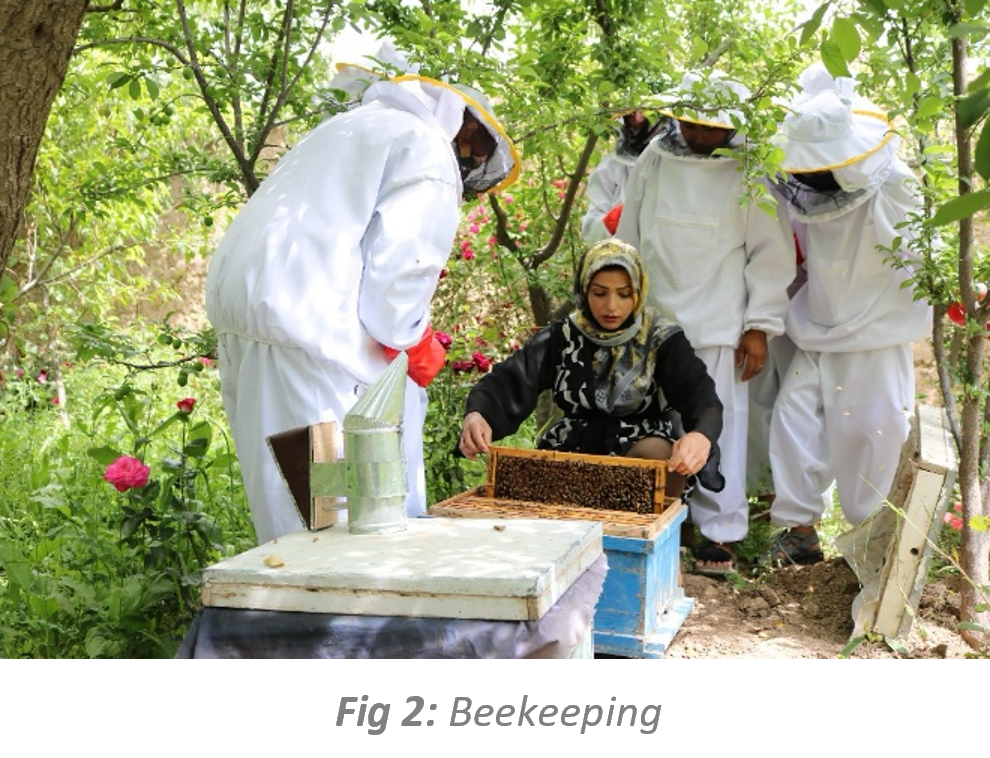
Equally important, EU-AESLSP demonstrated the value of community-based models that can adapt to changing circumstances.