About DCA – Afghanistan
Strengthening Livelihoods Through Livestock
Who We Are
DCA is governed by a Board based in the Netherlands, supported by an Advisory Council. The Executive Director, Dr. Chalachew Niguse, leads strategic management, donor relations, and organisational development. The Executive Director works closely with the Board in Holland through the Secretary General, Ab Emmerzaal. The SG is the linking person between the organisation in Afghanistan and the Board in the Netherlands. The Deputy Executive Director, Dr. Abdul Qader Fakhri, oversees the supporting departments like Finance and Operations. The Program Manager Dr. Faridoon looks after project implementation through project managers.
DCA is governed by a Board based in the Netherlands, supported by an Advisory Council. The Executive Director, Dr. Chalachew Niguse, leads strategic management, donor relations, and organisational development. The Executive Director works closely with the Board in Holland through the Secretary General, Ab Emmerzaal. The SG is the linking person between the organisation in Afghanistan and the project managers.
A Senior Management Team (SMT), consisting of eight senior Afghan managers, serves as the primary planning and decision-making body for programme design and execution in Afghanistan.
The Challenges Communities Face
Afghanistan has faced protracted and complex crises due to the COVID-19 pandemic, prolonged drought, and political changes. These factors have resulted in severe food insecurity, malnutrition, loss of livelihood assets—particularly livestock—damage to public health systems, widespread displacement, and ongoing conflict.
During the recent drought, an estimated 60–70% of livestock owned by pastoralists died, and more than 5 million people were forced to flee their homes. Harsh winters, cash liquidity constraints, and continued instability have further compounded these challenges, with long-term impacts on future generations.
Vulnerable and Marginalized Communities
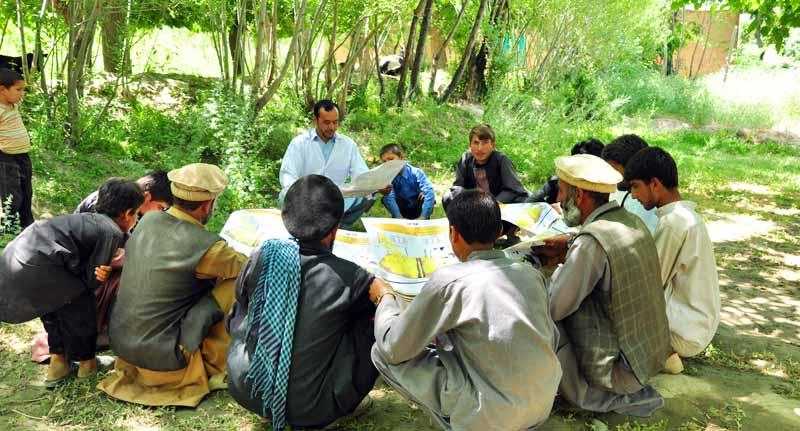
The consequences of these crises disproportionately affect marginalized populations, including women, girls, children, the elderly, persons with disabilities, internally displaced people (IDPs), and host communities. Addressing their needs requires targeted, inclusive, and sustainable interventions.
A Sustainable Model for the Future
DCA implements a community-based and market systems development approach tailored to Afghanistan’s context.
This proven and sustainable model enables DCA to reach marginalized communities more effectively, strengthen food and nutrition security, build resilience, and support inclusive market systems development across Afghanistan.
What We Have Achieved
Working with national and international partners, DCA has helped establish a nationwide network of over 1,000 Veterinary Field Units (VFUs), with 600 directly supported by DCA, ensuring access to affordable animal health services across Afghanistan.
DCA strengthens the livestock sector by:
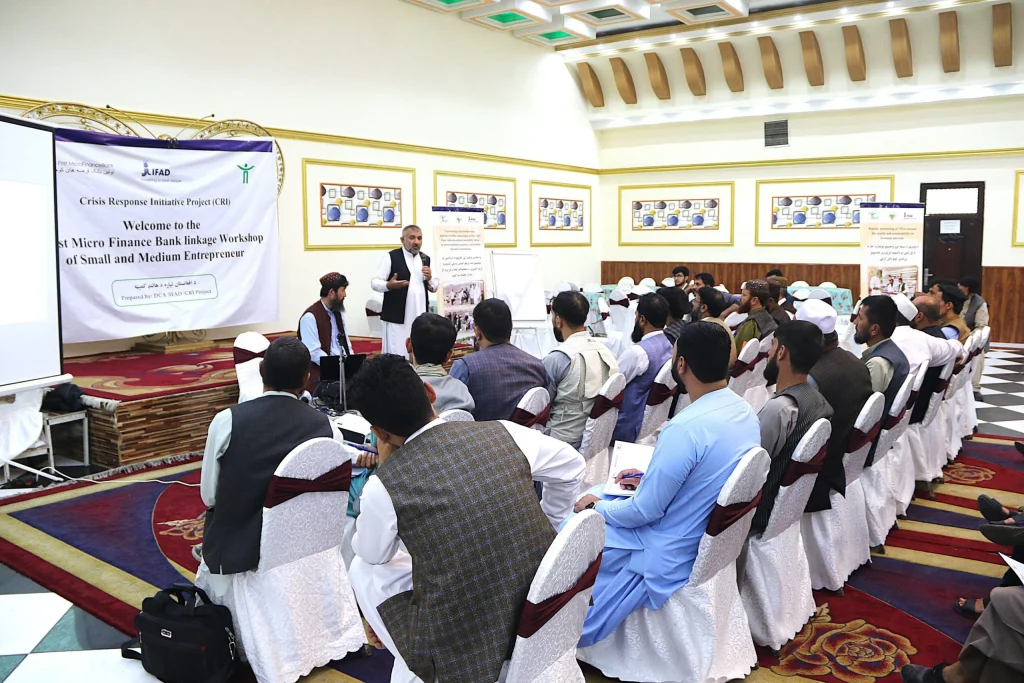
DCA strengthens the livestock sector by improving access to quality veterinary services, building practical livestock health and production skills, and supporting sustainable value chains. These efforts reduce livestock disease and losses, increase productivity, and improve household livelihoods and food security.
- Developing quality veterinary services nationwide
- Providing practical livestock health and production training
- Supporting value chain development for livestock products
- Reduced livestock mortality and morbidity
- Increased animal production
- Improved household livelihoods and food security
Organisational Presence and Structure
DCA is a non-profit humanitarian and livelihoods organisation with a long-standing presence in Afghanistan, active since 1988. The organisation works across livestock development, veterinary services, market systems, extension and outreach, and public–private partnerships along livestock value chains.
DCA is officially registered in Afghanistan with the Ministry of Economy (NGO Registration No. 119, dated 10 November 2005) and the Ministry of Public Health (NGO Registration No. 390, dated 16 July 2015).
Operations in Afghanistan
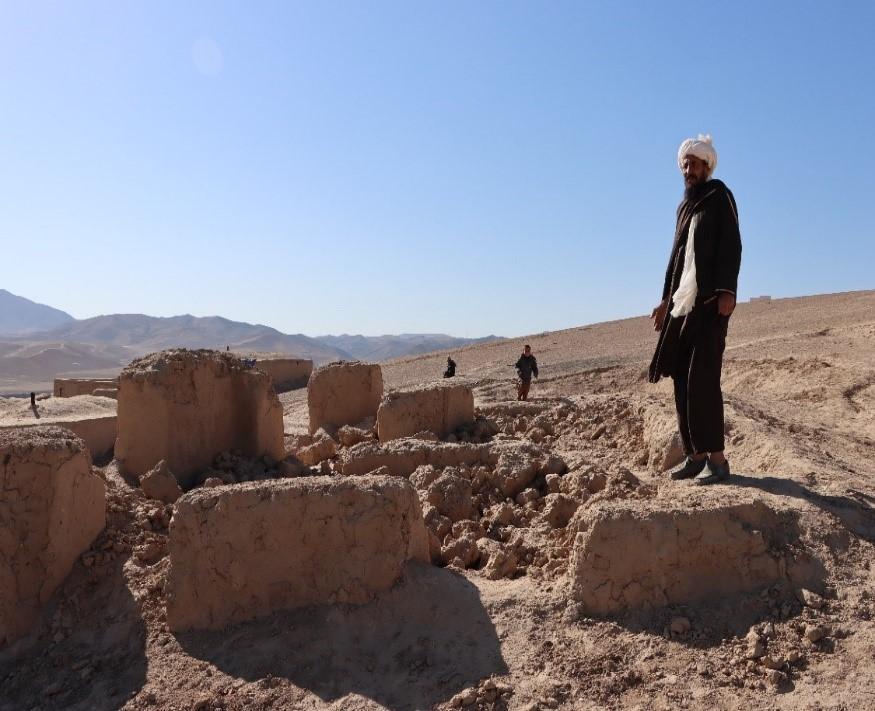
DCA’s Afghan operations are implemented by a team of approximately 176 staff, primarily Afghan nationals representing diverse ethnic backgrounds, with limited international staff. Women make up around 8% of the workforce. The team manages project implementation, monitoring and evaluation, finance, administration, human resources, and field facilitation.
The Head Office is located in Kabul, supported by regional offices in Herat and Mazar-i-Sharif, along with field offices in 17 provinces. DCA operates veterinary training centres in Charikar and Herat.
Governance and Management
DCA is governed by a Board based in the Netherlands, supported by an Advisory Council. The Executive Director, Dr. Chalachew Niguse, leads strategic management, donor relations, and organisational development. The Executive Director works closely with the Board in Holland through the Secretary General, Ab Emmerzaal. The SG is the linking person between the organisation in Afghanistan and the Board in the Netherlands
The Deputy Executive Director, Dr. Abdul Qader Fakhri, oversees the supporting departments like Finance and Operations. The Program Director Dr. Faridoon looks after project implementation through project managers.
A Senior Management Team (SMT), consisting of eight senior Afghan managers, serves as the primary planning and decision-making body for programme design and execution in Afghanistan.
Netherlands Registration and Support
In the Netherlands, DCA has been registered since 1994 and operates under the official name Stichting Dutch Committee for Afghanistan Livestock Programs. The organisation holds ANBI status and is tax-exempt, with registration number (KVK) 41246751 and RSIN number 8033.41.684.
The Liaison & Support Office in Amersfoort provides oversight, financial monitoring, and coordination with the Board. It also facilitates financial reporting and governance meetings, ensuring compliance with Dutch regulations.
For a schematic outline of the DCA organisation, please see the DCA Organogram below. In accordance with Dutch law, DCA is obliged to publish the following ANBI document.
Our Way of Work
Afghanistan continues to face overlapping crises, including the COVID-19 pandemic, prolonged drought, political transition, displacement, and conflict. These shocks have resulted in widespread food insecurity, malnutrition, loss of livelihood assets—particularly livestock—and increased pressure on public health systems. Recent drought conditions alone led to the loss of an estimated 60–70% of livestock, while more than five million people were displaced. The impact of these crises has been most severe among women, children, the elderly, people with disabilities, internally displaced persons (IDPs), and host communities.
Livestock plays a central role in Afghanistan’s rural economy. Approximately 80% of the population is involved in agriculture and livestock-related activities, and the sector contributes about 15% of the national GDP. For households living at or near subsistence level, even small improvements in animal health and productivity lead to meaningful gains in income, employment, and food security.
This approach has delivered measurable results, including reduced livestock mortality and disease, increased animal productivity, and improved household livelihoods. DCA’s model has demonstrated strong cost-effectiveness, generating an estimated USD 5 in benefits for every USD 1 invested. By combining veterinary services, extension, and market-based interventions, DCA’s way of work provides a sustainable pathway to improved food and nutrition security, resilience building, and inclusive economic development.
DCA’s Evolution in Afghanistan
- Expansion and System Building (1995–2006)
- Sustainability and Value Chains (2007–2016)
In 2011, DCA privatized the import and distribution of veterinary medicines through the creation of VetServ, enhancing long-term sustainability. Public–private partnerships were strengthened through collaboration with the Ministry of Agriculture, Irrigation and Livestock (MAIL) and the Sanitary Mandate Contracting Scheme.
By 2014–2016, DCA was active in almost all Afghan provinces, including the south, and further expanded its work in livestock value chains such as milk, cashmere, wool, pelts, eggs, and meat.
- Transition to Livestock Programs (2017–2021)
- Crisis Response and Resilience Building (August 2021–Present)
- Feed distribution and community-based feed banks
- Institutional capacity building
- Market systems and value chain recovery