
Value Chain Development Program
Value Chain Support for Livelihoods
Market-Based Livelihoods Value Chain
The value chain approach is widely recognized as an effective method for promoting poverty reduction and economic growth in developing countries. It recognizes that products move from producers to consumers through a series of interconnected steps, including production, harvesting, processing, and marketing.
At each stage, value is added by different actors. By identifying and addressing gaps across the entire chain, development organizations can significantly increase their impact on community livelihoods. Pro-poor interventions may include improved access to inputs and equipment, enhanced production and processing techniques, and stronger market access and demand for end products.
DCA’s Evolution in Afghanistan
- Milk and dairy products
- Cashmere and wool
- Pelts (Karakul)
- Eggs and poultry products
- Meat
Key Value Chains Supported by DCA
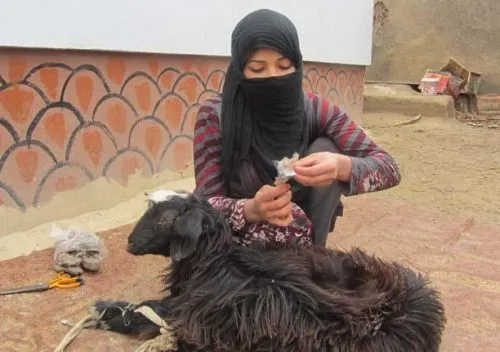
Cashmere Value Chain
Until recently, many cashmere goat owners were unaware of the high value of cashmere wool and commonly sheared their goats, resulting in contamination with coarse guard hair. To address this, DCA introduced specialized combs for proper cashmere harvesting.
Through various projects, DCA trained cashmere goat owners in improved harvesting and processing techniques. The organisation also established cashmere collection points, linking farmers directly to buyers and ensuring fair pricing. Collaboration with cashmere processing plants further strengthened market access.
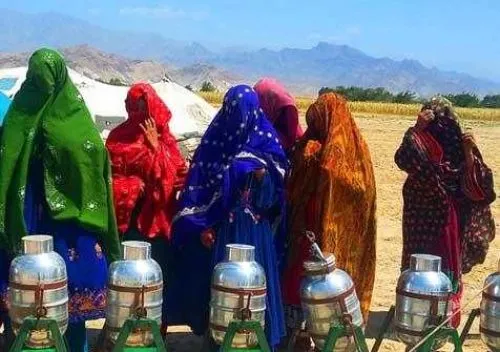
Dairy Value Chain
Household-level dairy production in Afghanistan is largely managed by women. However, knowledge of hygiene, food safety, and zoonotic disease risks has traditionally been limited.
DCA supports female dairy farmers through training in:
- Milking hygiene
- Proper housing of dairy cattle
- Zoonotic disease awareness
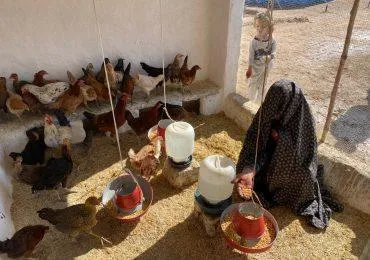
Poultry (Layer) Value Chain
Poor women and widows are among the most vulnerable groups in Afghanistan. Engaging them in the poultry value chain provides a reliable source of income and improves social standing.
Under DCA poultry programmes, women receive:
- Pullets
- Starter chicken feed
- Materials for constructing poultry housing